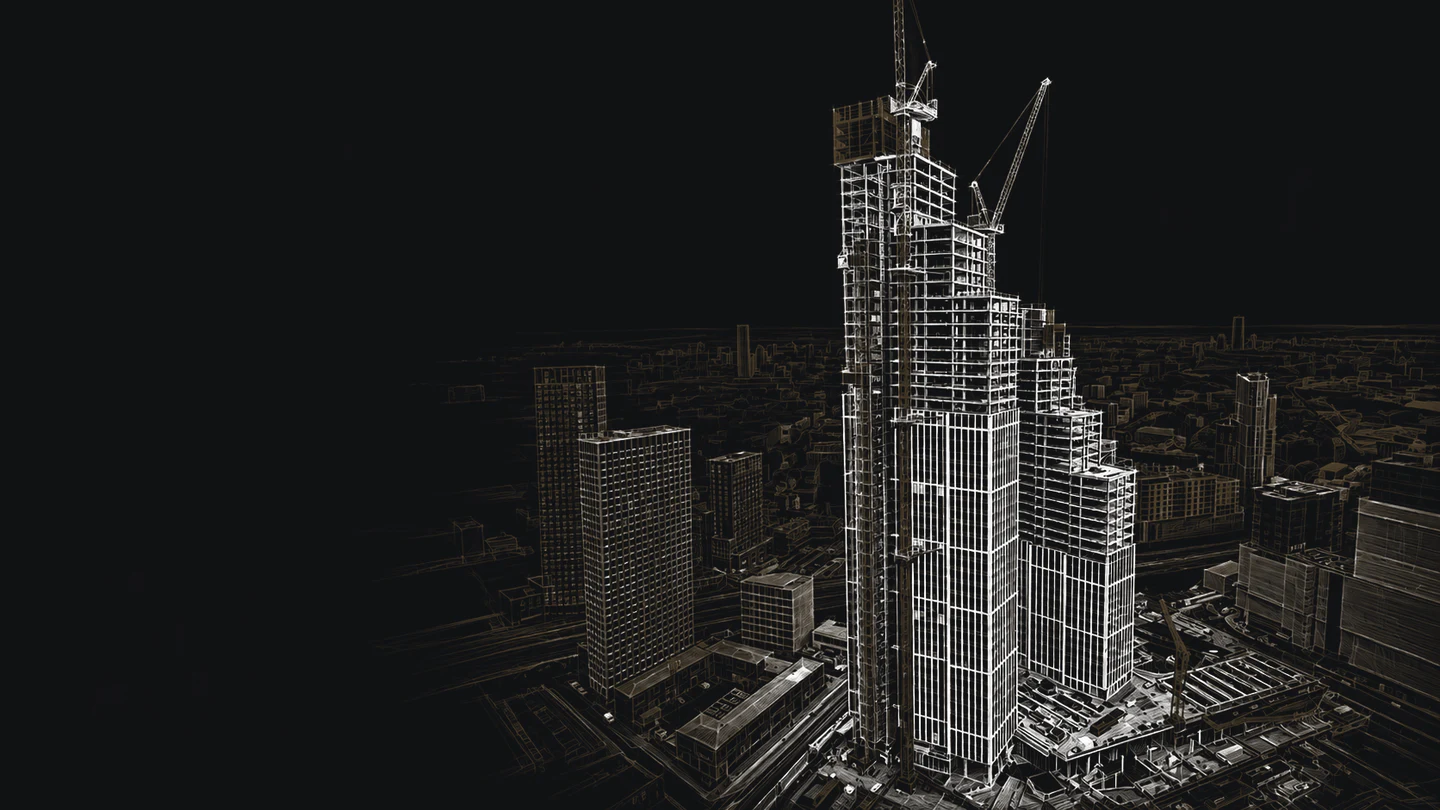
Mitre Wharf structural steel frame — RC frame with columns, beams, and floor plates with cyan joint indicators and amber energy-flow streams representing data propagation through the Clockwork Engine analysis pipeline

Clockwork Consultancy

AI-enabled engineering practice,built by construction professionals.

Do more with the team you have.

Not a chatbot. A project-state engine for construction teams.

Clockwork Engine combines specialist agents, vectorised project memory, automated reports and drawings, project tracking, and human approval gateways to help construction teams manage change with provenance, trust, and control.

Construction's default condition

Change breaks construction coordination.

Clockwork Engine connects project data, specialist automation, live artefacts, consequence testing, and human approval gateways so construction teams can manage change with provenance, trust, and control.

Project changeDesign consequenceCost consequenceProgramme consequenceReport & drawing updateHuman gatewayApproved record

Three things that matter.

Live artefacts

Reports, drawings, quantities, programmes, and decision records that update from connected project state — not rebuilt from scratch each time.

Consequence testing

Design and construction options can be mutated and compared against cost, programme, risk, buildability, and evidence before teams commit.

Human trust layer

Critical outputs pass through approval gateways with provenance, assumptions, and review status preserved. Professional judgement stays in the loop.

Real project work

Mitre Wharf — structural consequence mapping.

RC frame with columns, beams, and floor plates. Clockwork Engine maps structural decisions through cost, programme, and evidence in a single coordinated pass.

Mitre Wharf structural steel frame — RC frame with columns, beams, and floor plates with cyan joint indicators and amber energy-flow streams representing Clockwork Engine consequence data propagation
ProjectMitre Wharf
StageRIBA Stage 2
AnalysisStructural + cost + programme
OutputConsequence-mapped artefacts

Project intelligence

Replay the project. Test the next one.

Clockwork Engine creates structured records of project decisions, changes, costs, approvals, and artefacts. Teams can review what changed and why, surface better ways of working, and test alternative construction sequences before committing.

Project replay

Structured decision history: what changed, when, why, and what it affected downstream. Lessons learned become reusable project intelligence.

Sequence testing

Alternative construction sequences — fully designed, priced, and programmed — compared against buildability, cost, programme, and risk before commitment.

Clockwork Engine programme chart — amber Gantt bars on dark background showing a construction sequence with activity durations and dependencies
Clockwork AI Lab

The lab behind the engine.

We're not building the next foundation model. We're using AI to build better foundations.

Local-firstOur models run on our own hardware. Complete data sovereignty. Client project data never leaves the lab.
Closed loopReal engineering projects generate the training data that makes our next project sharper.
No dependencyWe don't rely on a single AI provider. When models improve, ours do too.
Built by engineersEvery agent knows Eurocode, NRM2, RIBA stages. It was trained on our work, not generic text.
Deterministic where it mattersStructural and geotechnical calculations run on verified Python, not inference. Equations in, answers out. Every time.
Two human gates on every deliverableAI proposes, engineers approve. We trust our models. We just don't let them sign the drawings.

Interested in the research? lab@clockworkconsultancy.com

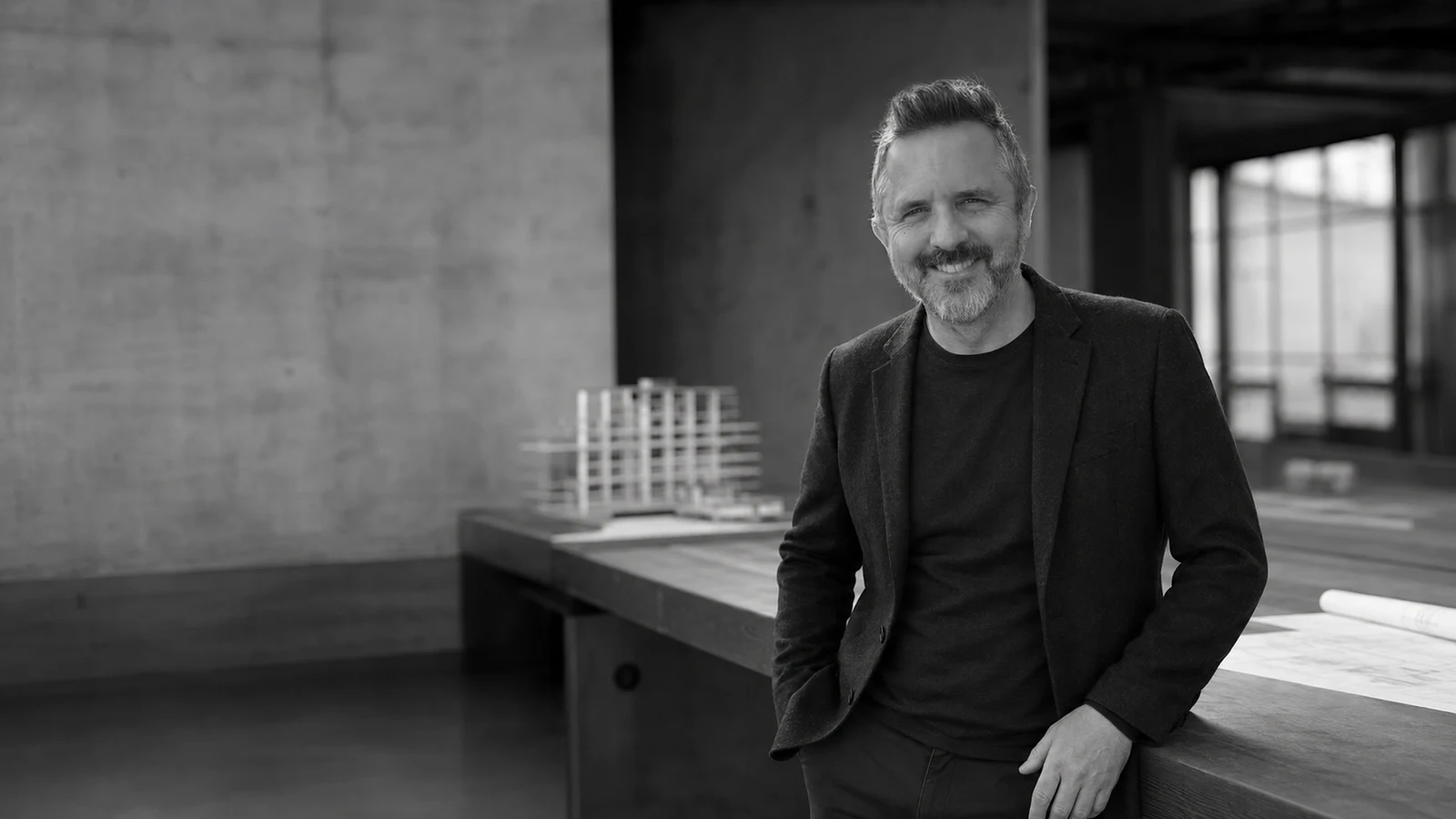
Director

Benjamin Smith

MSt (Cantab), CEng MICE

Director, Clockwork Consultancy

25 years delivering structural, geotechnical and construction engineering on projects across the UK and internationally

Ground Engineering Award — Edinburgh St James Quarter

Google HQ · South Quay Plaza · Edinburgh St James

"An excellent application of just in time delivery and agile assessment of data, which allowed for continual adaption of the construction sequence and design."

— Ground Engineering

LinkedIn

Do more with the team you have.

Three ways to start.

Replay a project

Find decision drift, change patterns, coordination gaps, and reusable lessons.

Get in touch →

Test a construction sequence

Compare designed, priced, and programmed options before committing.

Get in touch →

Generate live artefacts

Produce reports, drawings, quantities, programmes, and decision records from connected project state.

Get in touch →